Your operation needs consistent cleaning schedules tailored to specific risks, processing volumes, food allergens, and inspection schedules, with verifiable documentation confirming HACCP requirements, inspection compliance, and public health regulations. The details below give details about essential cleaning protocols.
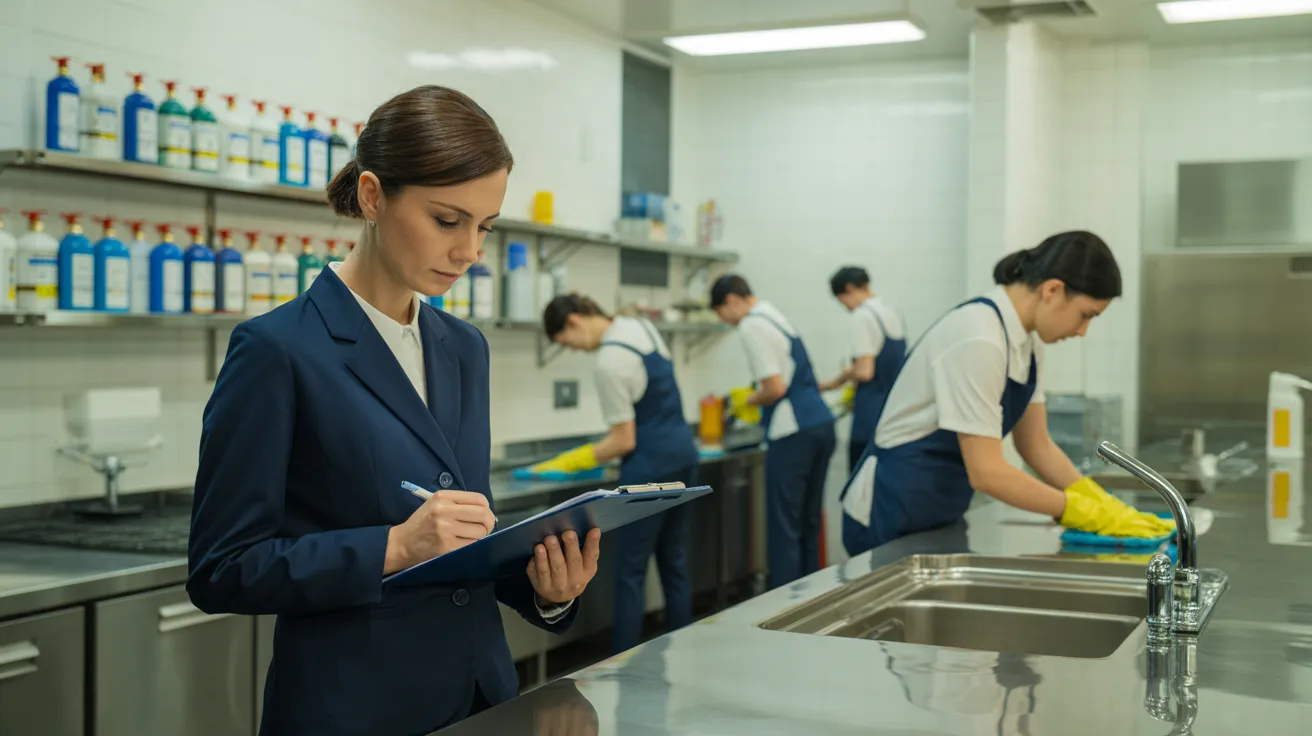
Important Highlights
- Food safety cleaning specialists in Brampton cater to restaurants, grocery departments, commissaries, warehouses, bakeries, schools, mobile vendors, and allergen-sensitive operations.
- Cross-contamination reduction is maintained by treating high-touch surfaces, food-contact equipment, kitchens, floors, drains, restrooms, and storage areas with zone-based workflows.
- Filing of completion through swabs, reviews, and action records verifies trained providers have checked approved sanitizer dilution, appropriateness, and exposure duration.
- Hazard, throughput, changeovers, releases, and standards must shape maintenance plans, with regular, recurring, and cyclical operations distributed by section.
- Opt for suppliers with hazard analysis knowledge, health regulatory, expertise, WHMIS, instruction, liability, endorsements, color-coded tools, and inspection-ready maintenance paperwork.
What Brampton Facilities Require Food Safety Cleaning?
You must maintain food safety cleaning if your establishment is subject to public health inspection, food premises regulations, or internal HACCP-based controls. This covers eateries, dining areas, supply warehouses, retail departments, meat counters, fish departments, general stores, and facility-based kitchens.
You'll additionally need proper hygiene protocols in warehouses, food manufacturing plants, cold storage sites, retail bakeries, school nutrition programs, banquet halls, and meal delivery hubs. Mobile and temporary businesses count as well, such as food trucks, festival vendors, and pop-up establishments. If your team prepare supplies, portion finished foods, reheat items, or manage allergen inventory, your establishment requires established hygiene documentation. In Brampton, cleanliness stays mandatory; it forms regulatory, business, and safety adherence.
Which Areas Do Brampton Cleaning Experts Cover?
Your operation needs cleaning professionals who sanitize all high-touch areas, cooking and food prep areas, floors, and toilet facilities for food safety and health code adherence. These specific areas are emphasized due to their elevated cross-contamination potential, hazardous walking conditions, and violations of hygiene standards.
If you comprehend their cleaning services, you'll successfully ensure your operation satisfies required operational and regulatory standards.
Sanitizing High-Touch Points
establish how frequently each area is cleaned
swabbing procedures to verify sanitization effectiveness
Kitchens, Floors, and Restrooms
Brampton cleaning professionals will address kitchens, floors, and restrooms since each space presents separate hygiene concerns, slip-and-fall, and public health challenges. In industrial kitchens, you need grease removal from cooking stations, appliance surfaces, drain systems, preparation areas, and backsplashes to reduce bacterial growth and pest activity.
Floor care that is documented should equally be anticipated. Technicians clean and remove buildup from grout, tile, and vinyl flooring, then apply appropriate drying controls so you can limit falls and maintain code-compliant conditions. They also address entryways where moisture and debris migrate indoors.
Restroom sanitation requires decontaminating touch areas, bathroom equipment, stall barriers, supply stations, and bins, replacing items and managing smells. They also service restaurant moprooms, where chemical storage, sink hygiene, and drainage conditions can affect sanitation compliance and staff safety daily.
Why Food Safety Cleaning Matters in Brampton
To adhere to regulatory mandates and succeed in audits, Brampton facilities must maintain appropriate cleaning protocols. You also minimize bacterial spread through proper cleaning of food-preparation surfaces, appliances, and frequently-touched items. Most importantly, you help protect community wellness by reducing the chance of food poisoning in your establishment.
Health Code Compliance
Because Brampton food companies operate under stringent health requirements, food safety cleaning directly impacts your competence to adhere to health code requirements, defend customers, and prevent enforcement action. You must maintain hygienic food handling zones, documented cleaning schedules, correct sanitizer application, and verifiable staff procedures that align with municipal and provincial inspection expectations.
When cleaning standards slip, infractions, remedial directives, brand harm, and service interruption from follow-up inspections or enforcement reviews become concerns.
Cross-Contamination Prevention
Meeting regulatory requirements also depends on your capacity to stop cross-contamination during routine food preparation and sanitation. You must keep raw items away from prepared dishes, sanitize prep surfaces between tasks, and store chemicals away from food-contact items. Established guidelines minimize contamination chances and support consistent compliance during inspections.
Implementing allergen segregation helps keep priority allergens from contacting shared surfaces, containers, or equipment. Utilize separate boards, color-labeled items, and strict utensil labeling so workers don't combine products during preparation or service. Require handwashing after handling raw meat, seafood, eggs, or allergen-containing products. Refresh cleaning cloths often, and verify sanitizer strength with test strips. When your team learns these guidelines per shift, you create a cleaner, safer operation that meets Brampton's food safety expectations daily.
Public Health Protection
Should food safety cleaning break, you don't simply encounter inspection problems—you expand the odds of foodborne illness impacting customers, staff, and the wider Brampton population. You also undermine your responsibility in protecting public health, especially in busy food facilities where pathogens travel quickly through surfaces, equipment, and touchpoints.
You need cleaning protocols that remove soils, disinfect properly, and confirm effectiveness. That requires adhering to exposure periods, employing authorized sanitizers, recording cleaning times, and training staff to meet health-unit expectations. These controls support pathogen reduction by lowering microbial loads before they reach food or hands. In Brampton, strong sanitation protects vulnerable populations, limits outbreak potential, and enables you to show proper care. When you maintain proper standards, you exceed basic requirements—you actively reduce risk and support safer food service throughout the region.
In What Ways Does Cleaning Help Achieve Food Safety Compliance?
Maintaining strict sanitation practices supports food safety compliance by decreasing contamination threats, managing pathogen expansion, and keeping your facility aligned with sanitation requirements under HACCP-based programs and public health regulations. You ensure that contact surfaces appear visibly clean and microbiologically controlled, supporting documented preventive controls and inspection readiness.
Systematic cleaning further enhances allergen prevention by extracting residues that can lead to undeclared allergen exposure. When you integrate verified sanitation methods with standards training, your staff can execute established protocols, apply approved chemicals accurately, fill out documentation properly, and address deviations ahead of issues intensify. Regular cleaning supports supply chain documentation, verifies remediation efforts, and demonstrates accountability when audited. It also helps you safeguard product safety, preserve regulatory explanation compliance, and decrease the chances of punitive measures, product recalls, formal complaints, and avoidable health dangers.
How Ought You Arrange Commercial Cleaning Work?
Ramp up cleaning pace during peak production, product changeovers, spillage occurrences, and following maintenance work.
Use weekly or every month schedules
Selecting the Right Brampton Cleaning Experts: Key Considerations
Begin by evaluating providers based on food-safe sanitation requirements—not solely on price alone. You should confirm that each organization comprehends CFIA, public health, and HACCP-aligned expectations applicable to your facility. Request insurance certificates, WHMIS compliance, staff training documentation, and oversight procedures. Assess whether technicians recognize cross-contamination risks, chemical handling protocols, and verifiable sanitation records.
Additionally, you need to evaluate service dependability and responsibility. Obtain references from food facilities in Brampton, then review response times, corrective measures, and communication practices. Verify the company supports supplier audits and can deliver compliance-ready records when inspectors or external parties need proof. Verify equipment upkeep, color-coded equipment are applied correctly, and location-specific dangers are identified. A qualified provider protects compliance, product quality, and your brand reputation.
Which elements are part of a hygiene cleaning program?
Create a documented plan that clarifies every sanitation task, standard, and responsibility prior to production start. You should outline cleaning schedules, authorized chemicals, concentration levels, contact duration, implements, and validation techniques for each zone, surface, and piece of equipment. Incorporate pre-operational inspections, corrective actions, and employee training requirements.
Your plan should also address contamination prevention, garbage management, pest control procedures, and recorded timelines for restrooms, drains, floors, and food-contact areas. Explain how you'll keep raw and prepared foods apart, enable ingredient tracking, and ensure accurate allergen labeling through validated cleaning between product changes. You should assign accountability, keep signed records, and review results against regulatory standards, HACCP controls, and customer requirements. When gaps appear, update procedures immediately and re-educate staff.
Popular Asked Inquiries
Can cleaning services accommodate overnight shifts in Brampton properties?
If you run regulated facilities, you'll also need records that support inspections and maintain assurance.
Are hazard containment solutions provided from Brampton cleaning experts?
Yes, you can find many Brampton cleaning experts who offer emergency spill response services. They manage hazardous materials, evaluate dangers, isolate affected areas, and start rapid decontamination to reduce exposure and avoid operational disruption. You should verify arrival timeframes, training certifications, PPE protocols, and disposal procedures. If your facility must meet regulatory requirements, select a service that records events, follows compliant standards, and supports audit readiness.
Are green disinfectants secure for food-contact surfaces?
Definitely, natural disinfectants work safely on food preparation areas if you select disinfectants approved for food contact that comply with regulatory requirements. You must confirm contact times, dilution rates, and rinsing needs prior to application. Plant-derived products reduce chemical hazards, but you need confirmation of performance against relevant pathogens. To maintain residue-free conditions, follow precise manufacturer instructions and ensure your disinfectant meets relevant food safety standards.
Will cleaning plans respond to seasonal variations?
Yes, you can modify cleaning schedules for seasonal shifts. You should revise intervals, personnel, disinfectants, and testing procedures to align with seasonal patterns while preserving regulatory adherence. You'll minimize production downtime by organizing sanitization around line changes, maximum output, and usage patterns. You should also update procedural documents, instruction programs, and environmental monitoring to capture transient threats, additional allergens, or higher contamination levels. Periodic assessments maintain your program effective.
Do professional cleaners instruct staff members in proper hygiene techniques?
Absolutely, commercial cleaners regularly deliver staff training on hygiene standards. Your staff gets instruction on proper chemical use, contact times, cross-contamination prevention, machine takedown, and paperwork. They generally match guidance with HACCP, GMP, and CFIA or regional health authority standards. Many also perform health inspections to ensure adherence, pinpoint weaknesses, and reinforce corrective actions. This enables you to sustain consistent procedures, pass inspections, and reduce food safety risks consistently.
Conclusion
Partnering with Brampton food safety and commercial cleaning experts means more than cleaning—it guarantees your operation meets inspection standards and your standards remain compliant. From processing facilities to kitchens, each sanitized surface and organized section reduces health hazards and avoids costly disruptions. By arranging service on appropriate schedules and implementing a thorough cleaning program, you shield your workforce, your customers, and your reputation. In a heavily regulated sector, sanitary conditions are non-negotiable—they're critical to business success.